How to Maintain a New Roof After Your Roof Replacement
Filed under: Roof Replacement
Comments: Comments Off on How to Maintain a New Roof After Your Roof Replacement

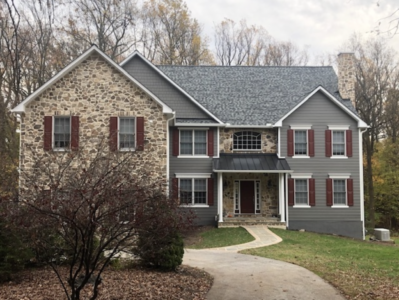
Knowing how to maintain a new roof is what separates homeowners who get the full 20, 30, or even 50 years out of their investment from those who end up dealing with avoidable problems years too soon. A new roof is built to perform for decades, but a little routine attention goes a long way toward making sure it actually does. Here are the roof replacement maintenance tips we recommend to every homeowner after installation.
Schedule an Annual Inspection
The single most valuable habit is a yearly inspection, ideally in spring or fall. A thorough check should include:
- A visual scan for missing, cracked, or curling shingles
- A look at flashing around chimneys, skylights, and vent pipes
- Checking for granule buildup in gutters, which can signal shingle wear
- An attic check for daylight, staining, or signs of moisture
- Confirming there’s no visible sagging along the roofline
Catching a small issue during an annual inspection — a slightly lifted shingle, a small gap in sealant — is far less costly than discovering it after it’s caused interior damage.
Keep Gutters and Downspouts Clear
Gutter care is one of the simplest, most overlooked parts of roof maintenance. Clogged gutters cause water to back up under the roof edge instead of draining away, which can lead to rot at the fascia and eaves over time. A basic gutter care routine includes:
- Clearing leaves and debris at least twice a year (more often if you have overhanging trees)
- Checking that downspouts direct water well away from the foundation
- Watching for sagging gutter sections, which can pull away from the roofline
- Installing gutter guards if debris buildup is a recurring problem
Check Flashing Regularly
Flashing — the metal or membrane detail at roof penetrations and intersections — is one of the most common points of failure on an otherwise healthy roof. Over time, sealant can dry out, shrink, or crack, especially around chimneys, skylights, and roof-wall intersections. A quick visual check after major storms, along with your annual inspection, can catch flashing issues before they lead to a leak.
Maintain Proper Attic Ventilation
Attic ventilation isn’t a one-time install-and-forget detail — it needs periodic attention too. Insulation can shift over time and block soffit vents, and debris or pests can obstruct ridge or roof vents. Signs your ventilation needs a check include:
- Noticeably high attic temperatures in summer
- Frost or condensation on the underside of the roof deck in winter
- Musty odors or visible mold on framing or insulation
- Ice dams forming along the eaves after snow
Since heat and moisture cycling are two of the biggest causes of premature shingle wear, keeping ventilation working as designed is one of the most effective roof replacement maintenance tips available.
Trim Overhanging Trees
Tree limbs that hang over or brush against the roof cause more damage than most homeowners realize. Falling branches can crack or dislodge shingles, while limbs that scrape the surface during wind wear away the protective granule coating over time. Overhanging branches also drop leaves and debris into valleys and gutters, accelerating clogs and moisture retention. Trimming trees back a reasonable distance from the roofline protects your investment and reduces how often gutters need clearing.
When to Call a Professional
Homeowner checks are valuable, but some things are best left to a professional — particularly full roof access, flashing repairs, and any attic ventilation modifications. Many homeowners find it easier to schedule a recurring maintenance visit rather than remembering to inspect everything themselves each season. A professional maintenance visit typically covers everything above in a single appointment, along with minor repairs before they become bigger problems.
If you’re maintaining other exterior components alongside your roof, small issues with doors and entryways are worth addressing on the same schedule — see our door repair services if you’ve noticed drafts, sticking, or wear on an exterior door.
Key Takeaways
- An annual inspection is the single most effective way to catch small roof issues before they become expensive ones.
- Clear gutters, checked flashing, and working attic ventilation all directly extend roof lifespan.
- Overhanging tree limbs cause more shingle damage than most homeowners expect.
- A recurring maintenance visit takes the guesswork out of keeping up with all of the above.
Frequently Asked Questions
How often should I have my roof professionally inspected? Once a year is a good baseline for most homes, with an additional check after any major storm involving high winds or hail.
Can I inspect my own roof, or should I always hire someone? Basic visual checks from the ground or attic are fine for homeowners, but walking on the roof itself or inspecting flashing up close is best left to a professional for safety and accuracy.
Does regular maintenance actually extend my roof’s lifespan? Yes. While maintenance won’t turn a 20-year roof into a 40-year one, it helps ensure you get the full lifespan you paid for, rather than losing years to preventable issues.
What’s the most common maintenance mistake homeowners make? Ignoring gutters and attic ventilation. Both are easy to overlook because they’re not part of the visible roof surface, but they have an outsized effect on how long shingles actually last.
Want a roof replacement maintenance plan tailored to your home? Contact LaBrusciano Exteriors to ask about a recurring maintenance visit, or check out our gutter services to keep this key part of your roof system in good shape.

