Roof Ventilation and Replacement: How Airflow Extends Your New Roof’s Life
Filed under: Blog, Roof Replacement
Comments: Comments Off on Roof Ventilation and Replacement: How Airflow Extends Your New Roof’s Life

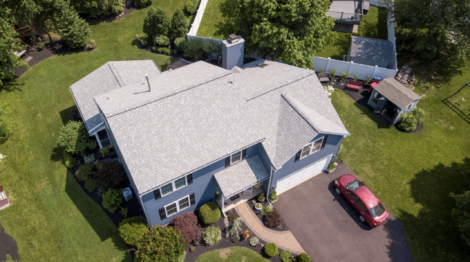
When homeowners plan roof ventilation and replacement together, they get a roof that lasts significantly longer than one where ventilation is an afterthought. It’s one of the most overlooked parts of a new roof installation, yet attic ventilation and roof lifespan are directly connected — poor airflow can shorten even a premium roofing system’s life by years. Here’s how ventilation should be addressed during a professional roof replacement, and what happens when it isn’t.
Why Ventilation Matters During a Roof Replacement
A roof replacement is the ideal time to correct ventilation problems, because the roof deck and soffits are already exposed and easy to inspect. Skipping this step means installing a brand-new roofing system on top of an airflow problem that will keep working against it for the next 20-plus years.
A balanced ventilation system works on a simple principle: cooler air enters low (typically through soffit vents) and pushes warm, moist air out high (through ridge or roof vents). When intake and exhaust are properly balanced, the attic stays closer to outdoor temperature and humidity year-round.
The Problems Poor Ventilation Creates
Heat buildup. In summer, an unventilated attic can reach temperatures well above 150°F. That heat radiates upward into shingles from underneath, accelerating the breakdown of asphalt and adhesives — the same shingles rated for 20–30 years can fail years early under sustained attic heat.
Moisture accumulation. In winter, warm, humid air from living spaces rises into the attic. Without adequate exhaust, that moisture condenses on the underside of the roof deck instead of escaping outside.
Shingle wear. Repeated heat and moisture cycling causes shingles to blister, curl, and lose granules faster than they would with proper airflow — directly shortening the return on your roof replacement investment.
Mold and wood rot risk. Trapped moisture doesn’t just threaten the roof deck. It can lead to mold growth on framing and insulation, and over time, wood rot that compromises structural integrity — problems that are far more expensive to fix than they would have been to prevent.
Ice damming. In colder months, escaping heat from a poorly insulated or ventilated attic melts snow on the roof, which then refreezes at the colder eaves, creating ice dams that force water back up under the shingles.
How Ventilation Is Addressed During a New Roof Install
A thorough roof replacement includes an attic assessment as a standard step, not an upsell. This typically covers:
- Checking existing soffit vents for blockages from insulation, paint, or debris
- Verifying that intake and exhaust vent areas are properly balanced (not just present)
- Installing or upgrading ridge vents, box vents, or power vents as needed for the roof’s design
- Confirming baffles are in place to keep insulation from blocking soffit intake
- Assessing insulation levels, since ventilation and insulation work together to manage attic temperature and moisture
Reflective “cool roof” shingle options can further reduce attic heat gain by lowering the roof surface temperature itself, working alongside — not instead of — proper ventilation. If you’re weighing energy-efficient upgrades alongside your roof replacement, it’s worth asking your contractor which options make sense for your home.
Attic Ventilation Checklist for Homeowners
A few signs are worth checking on your own between professional inspections:
- Attic feels noticeably hotter than outdoor temperature on a summer day
- Visible frost or condensation on the underside of the roof deck in winter
- Musty odor or visible mold on framing or insulation
- Ice dams forming along the eaves after snowfall
- Soffit vents blocked by insulation, paint, or nesting debris
- Uneven snow melt on the roof (patches melting faster than others can indicate heat escaping unevenly)
If any of these sound familiar, it’s worth scheduling an inspection even if your roof itself looks fine from the outside.
For homeowners tackling ventilation and energy efficiency as part of a broader exterior upgrade, our guide on questions to ask window contractors covers related considerations, since windows and attic ventilation both affect a home’s overall airflow and energy performance.
Key Takeaways
- Roof ventilation and replacement should always be planned together, since ventilation problems are easiest to fix while the roof is open.
- Poor attic airflow accelerates shingle wear, traps moisture, and increases mold and ice dam risk.
- A proper install balances intake (soffit) and exhaust (ridge or roof) ventilation, not just adds more vents.
- Simple homeowner checks — attic temperature, frost, odors — can catch ventilation problems between inspections.
Frequently Asked Questions
Can I add ventilation without replacing my whole roof? In some cases, yes — additional vents can sometimes be added to an existing roof. However, a full replacement is the most thorough opportunity to correct ventilation issues throughout the entire system.
How much does poor ventilation actually shorten roof life? It varies by climate and severity, but sustained heat and moisture problems can shave years off a shingle roof’s expected lifespan, sometimes cutting it well short of its rated warranty period.
Do all homes need the same amount of ventilation? No — the right balance of intake and exhaust venting depends on attic size, roof design, insulation levels, and local climate. This is why a professional assessment matters more than a generic vent count.
Is attic ventilation only a summer concern? No. While summer heat gets the most attention, winter moisture control and ice dam prevention are just as dependent on proper attic airflow.
Concerned your attic ventilation isn’t doing its job? Contact LaBrusciano Exteriors for a full roof and attic assessment, or learn more about our residential roofing services.

