Stucco Repair Plymouth Meeting: Protecting Your Home’s Exterior
Filed under: Blog, Stucco
Comments: Comments Off on Stucco Repair Plymouth Meeting: Protecting Your Home’s Exterior

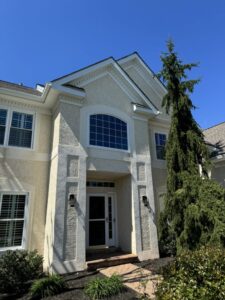 For homeowners searching for stucco repair Plymouth Meeting contractors, the concern is usually twofold: protecting curb appeal and making sure moisture hasn’t already compromised what’s behind the surface. Stucco is a durable, attractive cladding, but once it starts cracking or staining, the clock is running on a problem that only gets more expensive the longer it’s ignored. Here’s what to watch for and what a thorough inspection should cover.
Why Stucco Problems Are as Structural as They Are Cosmetic
It’s easy to think of a stucco crack as a curb-appeal issue first. In reality, most stucco damage starts as a structural and moisture problem that simply becomes visible on the surface. Stucco is porous, and once water finds a way behind it — through a crack, a failed sealant joint, or missing flashing — it can saturate the wall assembly, damage sheathing and framing, and eventually undermine the structure long before it looks serious from the curb. Treating stucco repair in Plymouth Meeting as purely cosmetic is one of the most common — and costly — mistakes homeowners make.
Common Warning Signs to Watch For
Cracking. Fine hairline cracks can be cosmetic, but cracks that widen over time, run diagonally from window corners, or appear alongside staining usually point to moisture behind the surface.
Staining or discoloration. Dark streaks, rust-colored marks, or green or black staining often indicate water is tracking through the wall assembly, sometimes from a source located well above where the stain appears.
Soft spots or a hollow sound. Pressing gently on stucco or tapping it and hearing a hollow sound, rather than a solid thud, suggests the material or backing behind it has deteriorated.
Bulging or uneven wall sections. Visible warping or bulging is a sign that moisture damage has progressed to the point of affecting the wall’s structure, not just its surface.
Interior clues. Peeling paint, bubbling drywall, or musty odors on interior walls that back up to stucco exteriors can indicate a problem that’s already breached the building envelope.
What a Thorough Contractor Inspection Should Cover
A quality inspection for exterior wall repair in Plymouth Meeting goes well beyond a visual walk-around. It should include:
- Moisture testing at high-risk areas — windows, roof-wall intersections, and entryways — using a moisture meter rather than guesswork
- A check of flashing details at every penetration, since faulty or missing flashing is behind the majority of stucco failures
- An assessment of kick-out flashing where rooflines meet stucco walls, a frequently overlooked detail on older homes
- Probing in suspect areas to determine whether sheathing or framing has already been compromised
- A review of grading and drainage around the foundation, since soil contact and poor drainage expose the base of stucco walls to near-constant moisture
This level of diagnosis is what determines whether you’re looking at a simple patch, a localized repair, or a larger remediation project — and skipping it is how homeowners end up paying for the same “repair” more than once.
Protecting Curb Appeal While You Protect the Structure
The good news is that addressing the structural cause doesn’t mean sacrificing appearance. A skilled contractor can match existing stucco texture and color closely enough that repaired sections blend in, so protecting your home’s underlying structure and preserving its curb appeal aren’t competing goals — they go hand in hand when the work is done correctly.
If you’re evaluating other exterior projects alongside stucco repair, our guide on choosing porch contractors in Chester County covers similar vetting questions worth asking any exterior contractor, including one handling stucco work.
Key Takeaways
- Most visible stucco damage — cracking, staining, soft spots — traces back to an underlying moisture or structural issue.
- Where damage appears (windows, rooflines, entryways, foundation) offers strong clues about the cause.
- A thorough inspection includes moisture testing and flashing checks, not just a visual assessment.
- Correcting the root cause and preserving curb appeal aren’t mutually exclusive with the right contractor.
Frequently Asked Questions
How do I know if I need stucco repair or a full remediation? Isolated cracking or staining in one area often points to a contained repair, while widespread damage, recurring problems after previous repairs, or confirmed sheathing damage typically call for full remediation.
Does stucco repair affect my home’s resale value? Yes — unresolved stucco issues are a common concern for buyers and inspectors, while a well-documented repair or remediation can actually reassure a future buyer that the issue was properly addressed.
Can stucco repair be done in any season? Most repairs can be completed in mild weather conditions; extreme cold or wet conditions can affect curing and are typically avoided for larger stucco work.
Are older Plymouth Meeting homes more prone to stucco problems? Often, yes — older flashing details and drainage plane standards were less rigorous than current best practices, which is why homes built before more modern building codes tend to show stucco issues more frequently.
Noticing cracks, staining, or soft spots on your stucco exterior? Contact LaBrusciano Exteriors for a thorough inspection, or learn more about our stucco remediation services if you suspect the issue goes beyond the surface.

