Stucco Repair in Limerick | Signs You Shouldn’t Ignore
Filed under: Blog
Comments: Comments Off on Stucco Repair in Limerick | Signs You Shouldn’t Ignore

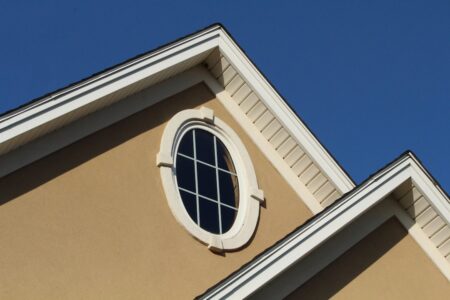
Stucco repair in Limerick is often easiest and most affordable when problems are identified early. While stucco is a durable and attractive exterior finish, small cracks, discoloration, or moisture-related issues can quickly develop into more serious structural concerns if left unaddressed. Knowing how to recognize the warning signs of stucco damage can help homeowners protect their investment, maintain curb appeal, and avoid costly repairs down the road.
Key Takeaways
- Look out for cracks, even small ones, and any changes in color or texture on your stucco walls.
- Soft spots or bubbling surfaces are clear signs that moisture might be getting trapped behind the stucco.
- Addressing stucco issues promptly, especially before bad weather hits, saves money and prevents bigger damage.
Recognizing Signs of Stucco Damage in Limerick
When it comes to stucco, most people just notice the color or the texture and don’t think much about it until something goes wrong. But if you take a closer look at the walls of your Limerick home, you might spot early signals that shouldn’t be ignored. Catching these warning signs is the best way to avoid much bigger—and more expensive—repairs down the road.
Visible Cracks and Discoloration
Stucco isn’t supposed to crack easily, so if you’re seeing gaps, whether thin hairlines or more obvious splits, that’s your cue to pay attention. Here’s what to watch for:
- Thin, web-like hairline cracks that seem to multiply over time
- Wider, jagged cracks, especially near window edges or doors
- Areas with stains or uneven color after it rains
- White, powdery residue on the surface (this is called efflorescence)
| Type of Crack | Common Cause | Urgency |
|---|---|---|
| Hairline (<1mm) | Minor settling, slight movement | Monitor |
| Moderate (1-5mm) | Water intrusion, structural shifting | Repair soon |
| Wide/Deep (>5mm) | Severe moisture or foundation shift. | Urgent fix |
Stucco cracks never get smaller on their own; they’ll only spread if water gets in, making things worse each wet season.
Soft Spots and Surface Bubbling
While cracks tend to catch your eye, soft spots and bubbles are subtler, but they’re often a bigger problem. That soft, spongy feel under your palm? It’s a sign moisture’s crept behind the surface and started breaking things down. Bubbling happens when trapped water heats up and puts pressure on the layers from the inside, leading to raised or warped patches.
Here’s how to check for softer areas or bubbling:
- Press lightly along cracks or near the bottom of exterior walls.
- Feel for areas that give way or feel mushy compared to the rest of the wall.
- Scan for blisters, raised bubbles, or areas where the surface finish is peeling.
These symptoms usually mean water is stuck behind your stucco, creating the right conditions for mold and rot—both of which can get expensive fast.
- If your stucco has gotten noticeably softer
- You spot spongy patches or areas that seem to bulge
- Paint or coating is blistering or separating from the wall
It’s time to call a professional for an inspection, not just patch it up and hope for the best.
Addressing Stucco Issues Before They Worsen
Ignoring early signs of stucco trouble can lead to bigger, more expensive problems down the line. It’s like putting a band-aid on a deep cut – it might look better for a bit, but the real issue is still there, festering.
The Impact of Moisture Intrusion
Moisture is the silent enemy of stucco. When water gets behind the stucco layer, it can cause all sorts of havoc. It can weaken the material itself, leading to crumbling and cracking. Worse, it can seep into the wall cavity, affecting insulation and even leading to mold growth. This is especially a concern if your stucco extends below ground level, which is a common mistake that traps moisture and encourages rot. You might notice persistent water spots, which can look like hazy white streaks or dark patches. These aren’t just unsightly; they’re a clear signal that water is getting trapped and can lead to mold and structural damage.
- Check around windows and doors: These are common entry points for water. Look for any signs of staining or dampness.
- Inspect the base of your walls: Stucco should ideally have at least two inches of clearance from the ground. If it’s touching or below the soil line, it’s a prime spot for moisture absorption.
- Examine caulking: The sealant around windows, doors, and trim can dry out and crack over time. If it’s failing, water can easily get in.
Addressing moisture issues promptly is key to preventing widespread damage. Don’t wait for small problems to become major structural concerns.
Preventative Measures for Stucco Repair Limerick
Taking proactive steps can save you a lot of headaches and money. It’s about being observant and acting before minor issues escalate. If you notice small cracks, especially those larger than 1/16 of an inch, they need attention. While small hairline cracks are often normal, larger ones can let water in. Simply patching them might not be enough if water has already caused damage underneath. Sometimes, what looks like a simple crack is a symptom of a deeper problem that requires more involved stucco remediation.
- Regular Inspections: Make it a habit to walk around your home and look for any new cracks, soft spots, or discoloration, especially after heavy rain.
- Maintain Sealants: Keep an eye on the caulking around openings and reapply or repair as needed to create a solid barrier against water.
- Proper Drainage: Ensure that water drains away from your home’s foundation. Gutters should be clear, and the ground should slope away from the walls.
When you see signs of wear, it’s best to get a professional opinion. They can assess whether a simple repair will suffice or if a more extensive solution is needed to protect your home’s integrity.
Leave it to the Pros
Stucco damage often starts small, but even minor cracks or signs of moisture intrusion can lead to significant repairs if they’re ignored. Regular inspections and prompt attention to problem areas can help preserve your home’s appearance, protect its structural integrity, and prevent costly water damage. If you’ve noticed cracks, soft spots, discoloration, or other signs of stucco deterioration, contact LaBrusciano Roofing & Exteriors. Our experienced team can evaluate your exterior, identify the source of the issue, and provide the professional repairs needed to keep your home protected for years to come.
Frequently Asked Questions
What are the first signs that my stucco needs repair in Limerick?
You should look for cracks that are getting bigger, or if you see patches that look darker or discolored, especially after it rains. Sometimes, you might notice areas that feel soft when you touch them, or see little bubbles forming on the surface. These are all clues that something needs attention.
Can small cracks in stucco really cause big problems?
Yes, they can. Even a tiny crack can let water sneak in behind the stucco. Over time, this trapped water can cause the material underneath to rot or lead to mold growth, which is not good for your home’s structure or your health. It’s like a small leak in a roof – it doesn’t seem like much at first, but it can lead to a lot of damage if you ignore it.
When is the best time to get stucco repair done in Limerick?
It’s generally best to handle stucco repairs before the really wet or harsh weather seasons arrive. Think about getting it fixed in the spring or early summer, so your home is ready for any heavy rains. This gives the repairs time to set properly and helps prevent water damage before it can start.